

3 June 2026
The Al Khatim Adlan Centre for Enlightenment and Human Development (KACE) expresses its profound sorrow and solidarity with the families of the martyrs, the disappeared, survivors, and all those affected on the seventh anniversary of the violent dispersal of the Khartoum sit-in. This crime constituted a grave violation of the rights to life, peaceful assembly, and human dignity, and marked a tragic turning point in Sudan’s political and democratic transition.
On 3 June 2019 (29 Ramadan 1440 AH), thousands of peaceful protesters gathered outside the Sudanese Armed Forces General Command in Khartoum were subjected to a large-scale attack characterised by excessive use of force, extrajudicial killings, and serious human rights violations. According to documented information from the Central Committee of Sudanese Doctors and Sudanese and international human rights organisations, the massacre resulted in the deaths of at least 128 people, injuries to thousands, and the disappearance of approximately 40 individuals whose fate remains unknown. Dozens of cases of conflict-related sexual violence were also documented, including at least 70 reported cases of rape according to Sudanese and international women’s rights organisations. Testimonies and documented evidence further indicated that some victims’ bodies were tied to concrete blocks and thrown into the River Nile, in scenes that shocked the conscience of Sudan and the wider world.
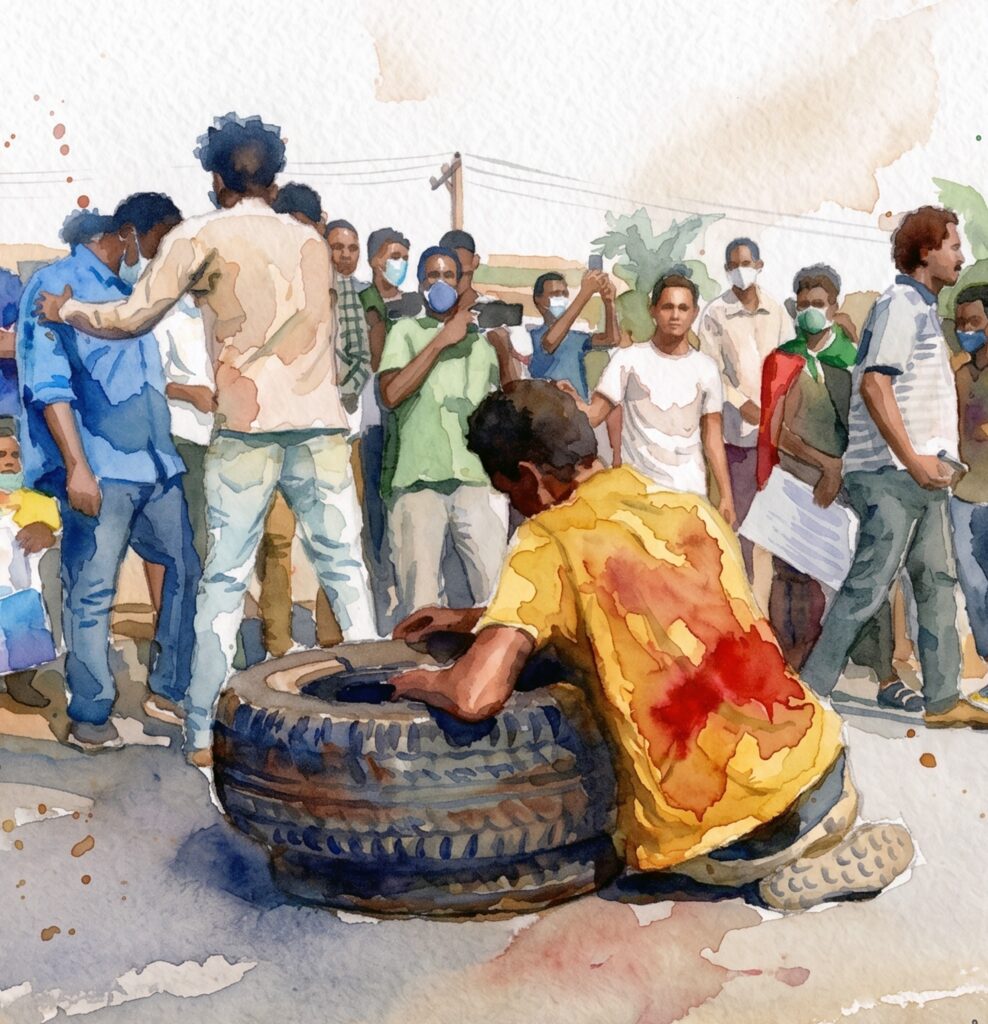
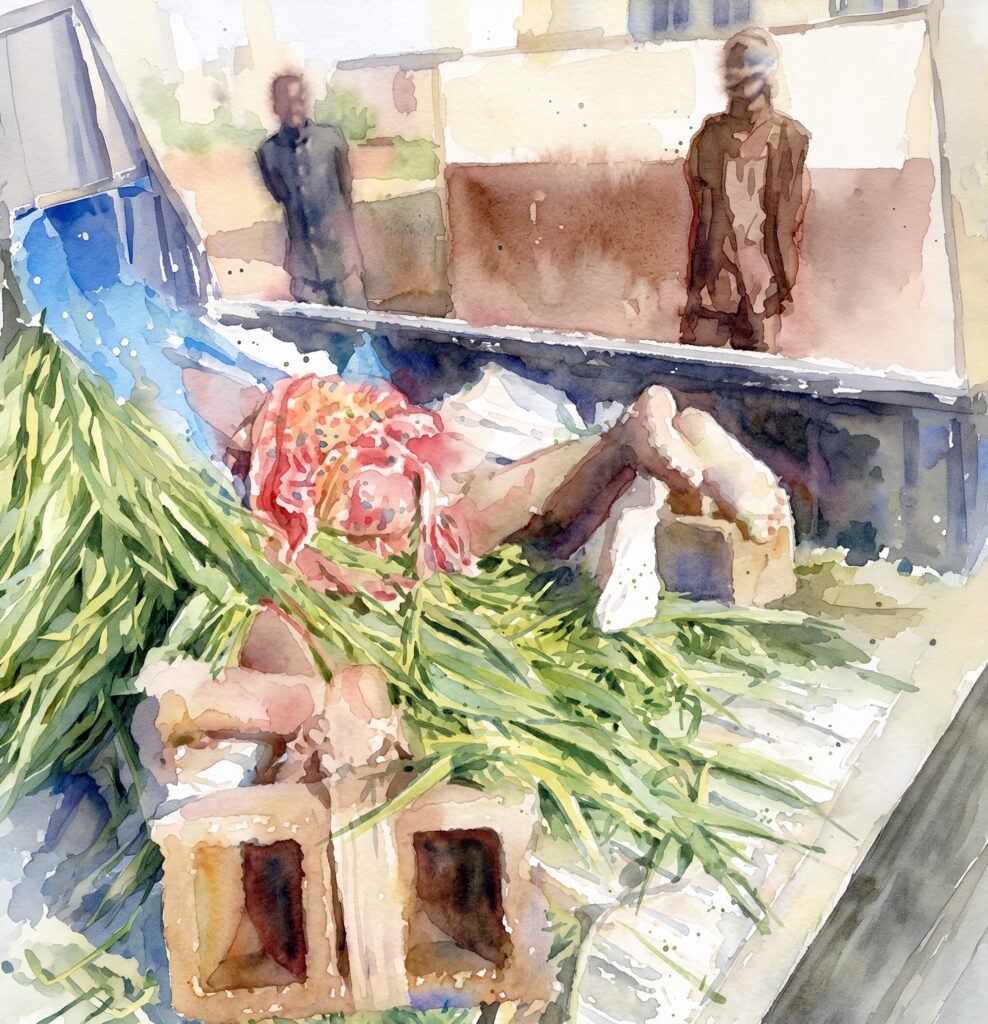
Despite the passage of seven years, the official investigation committee established by the former Transitional Military Council has not meaningfully engaged with victims or their families, nor has it produced any credible findings. No individual responsible for these violations has been effectively held accountable. This has entrenched Sudan’s longstanding cycle of impunity and rendered the sit-in massacre one of the clearest and most deliberate examples of impunity in the country’s modern history. The predictable consequence of this deliberate inaction and continued impunity was the outbreak of the April 2023 war, which plunged Sudan into one of the gravest humanitarian and political crises in its history.
The sit-in massacre marked the beginning of an escalating trajectory of violations and political collapse. On 25 October 2021, the Sudanese Armed Forces and the Rapid Support Forces (RSF) — the same parties currently engaged in armed conflict — jointly carried out a military coup against the civilian-led transitional government, derailing Sudan’s democratic transition and undermining transitional institutions. Subsequently, armed conflict erupted between the Sudanese Armed Forces and the RSF on 15 April 2023, driving Sudan into one of the world’s worst humanitarian and human rights crises.
According to international data published between April and May 2026, the war has claimed more than 150,000 lives, according to estimates by the Armed Conflict Location & Event Data Project (ACLED) and the World Health Organization (WHO). The International Organization for Migration (IOM) reports that approximately 9.5 million people are internally displaced, while the United Nations High Commissioner for Refugees (UNHCR) estimates that around 4.4 million Sudanese have sought refuge in neighbouring countries. The United Nations Office for the Coordination of Humanitarian Affairs (OCHA) further reports that approximately 34 million people — two out of every three Sudanese — require urgent humanitarian assistance. UNICEF estimates that 4.2 million children are suffering from acute malnutrition. Meanwhile, the World Health Organization has documented 201 attacks on healthcare facilities since the outbreak of the conflict.
The United Nations and international human rights organisations have documented grave violations of international humanitarian law and international human rights law, including mass killings, indiscriminate attacks on civilian areas, conflict-related sexual violence, the use of chemical weapons, torture, enforced disappearances, forced recruitment of children, and attacks against humanitarian workers, journalists, and human rights defenders.
KACE also warns of the alarming rise in hate speech and ethnic, tribal, and regional incitement, which pose a direct threat to social cohesion, peaceful coexistence, and the unity of Sudan. Such rhetoric, which promotes hatred and violence, threatens not only the present but also the future of the country. Social media companies have contributed to this dangerous escalation through their failure to take effective action against content that incites hatred and violence in Sudan. Insufficient content moderation and inadequate investment in monitoring Arabic-language and local-language content have allowed hate speech, disinformation, and calls for violence to proliferate widely. Incitement to hatred and violence is fundamentally incompatible with the accumulated values of human civilisation, tolerance, human rights principles, and international law, and it undermines prospects for sustainable peace and transitional justice.
On this painful anniversary, KACE pays tribute to the mothers of the martyrs, the families of the disappeared, survivors of violence and abuse, children deprived of their rights to safety, education, and healthcare, the millions of displaced persons and refugees enduring harsh humanitarian conditions, and all those who continue to defend the values of freedom, peace, and justice in Sudan.
Serious crimes and widespread human rights violations do not expire with time. Justice and accountability remain indispensable prerequisites for achieving sustainable peace and building a democratic civilian state founded on respect for human dignity and human rights.
Recommendations
In fulfilment of its human rights and moral responsibilities, and in pursuit of justice, accountability, an end to impunity, and the promotion of social peace in Sudan, the Al Khatim Adlan Centre for Enlightenment and Human Development (KACE) calls upon the Sudanese authorities, the United Nations, the Human Rights Council, social media companies, and all political, civil society, media, and religious actors in Sudan to take the following actions:
To the Members of the National Independent Committee Investigating the Khartoum Sit-in Massacre
- Publicly and transparently disclose the preliminary findings of the investigation into the June 2019 sit-in massacre and explain the reasons for the nearly seven-year delay since the committee’s establishment on 21 October 2019.
- Clarify the obstacles that have impeded the investigation and ensure accountability for all individuals and entities responsible for obstructing justice, concealing facts, or hindering access to the truth.
- Guarantee victims’ and families’ rights to truth, justice, reparations, and guarantees of non-recurrence.
To the United Nations and the Human Rights Council
- Establish an independent and impartial international mechanism to investigate the grave violations committed during the June 2019 sit-in massacre, collect, preserve, and document evidence, identify those responsible, and facilitate accountability in accordance with international standards of justice.
- Ensure victims’ rights to truth, justice, reparations, and effective remedies.
To the Parties to the Conflict in Sudan
- Implement an immediate and comprehensive ceasefire and ensure the protection of civilians in accordance with international humanitarian law and international human rights law.
- Guarantee safe, sustained, and unhindered humanitarian access to all affected populations throughout Sudan.
To Social Media Companies and Technology Platforms
- Take more effective and transparent measures to monitor and remove content that incites hatred and violence in Sudan.
- Strengthen content moderation capacities in Arabic and Sudan’s local languages.
- Publish regular transparency reports detailing actions taken to combat hate speech and incitement to violence.
To All Political, Civil Society, Media, and Religious Actors in Sudan
- Reaffirm that the Khartoum sit-in massacre is not subject to any statute of limitations and must not be marginalised or forgotten. Continue to keep the issue at the forefront of national consciousness until truth, justice, and accountability are achieved.
- Reject and condemn all forms of hate speech, racism, ethnic, tribal, and regional incitement, and adopt clear and principled positions against them.
- Work collectively to promote equal citizenship, respect for diversity, and peaceful coexistence, thereby strengthening social cohesion and laying the foundations for sustainable peace.
- Support efforts aimed at justice, accountability, and ending impunity in ways that uphold victims’ rights and advance sustainable peace.
- Support a comprehensive political process leading to a democratic civilian transition founded on respect for human rights, the rule of law, and meaningful security and military sector reform.
Glory and eternal remembrance to the martyrs and victims of the Khartoum sit-in massacre. We wish a full and speedy recovery to all those injured, and freedom, justice, and dignity for all victims of human rights violations in Sudan.
Contact Information
Al Khatim Adlan Centre for Enlightenment and Human Development (KACE)
Email: info@kacesudan.org
Telephone: +256 393 516 532
Address:
Ntinda II Road, Naguru
Kampala, Uganda
Website: www.kacesudan.org